Tips for Buying a Used Car Without Getting Ripped Off
Buying a used car can save you a lot of money compared with buying new. But it also comes with risks: hidden faults, unclear histories and pushy sellers. With some preparation and a careful inspection, you can find a reliable car at a fair price.
Before You Start Shopping
Set a Realistic Budget
Think beyond the purchase price. Include insurance, registration, taxes, fuel, maintenance and a buffer for unexpected repairs. If you are borrowing, compare loan offers before visiting sellers.
Decide What You Need
Consider how you will use the car: daily commuting, family trips or long-distance driving. Think about size, fuel economy, boot space and running costs, and shortlist a few models known for reliability.
Research Prices
Check online listings and valuation tools to understand the typical price range for the make, model, year and mileage you want. This gives you confidence when negotiating.
Inspecting the Car
View in Daylight
Always inspect the car in good light and dry weather, which makes scratches, dents and paint differences easier to spot.
Check the Exterior
- Look for rust, mismatched paint or uneven panel gaps that might suggest accident repairs.
- Check tyres for even wear and adequate tread.
- Inspect lights, mirrors and glass for damage.
Check the Interior
- Make sure wear on seats, pedals and the steering wheel matches the stated mileage.
- Test the air conditioning, heating, windows, locks and infotainment system.
- Watch for damp smells or water stains, which may indicate leaks.
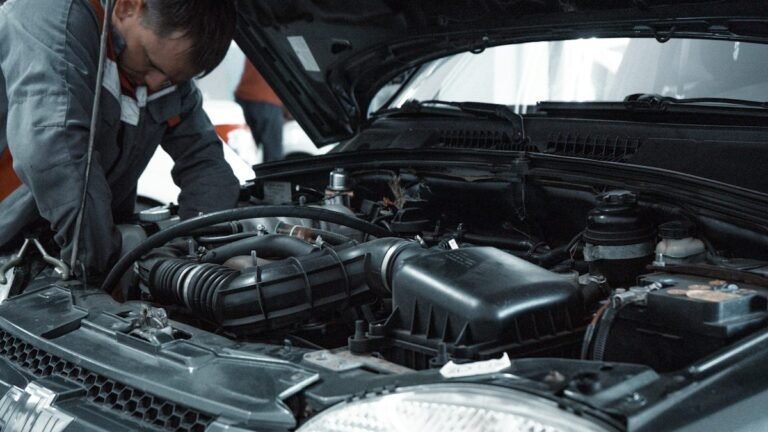
Look Under the Bonnet
Check oil and coolant levels and condition, look for leaks and listen for unusual noises when the engine starts from cold.
Take a Test Drive
Drive on different roads, including at higher speeds if possible. Check that the car starts easily, the gears change smoothly, the brakes work well and the steering does not pull to one side. Listen for knocking, grinding or rattling sounds.
Check the Paperwork
- Confirm the seller’s identity and that they have the right to sell the car.
- Match the vehicle identification number on the car with the documents.
- Review the service history and receipts for major repairs.
- Use a vehicle history check service where available to look for outstanding finance, theft records or accident history.
Get a Professional Inspection
If you are not confident assessing a car yourself, pay a trusted mechanic to inspect it before buying. It is a small cost compared with buying a car with serious hidden problems.
Negotiate Confidently
Use your research and any faults you found to negotiate. Be polite but firm, and be prepared to walk away. There are always other cars available.
Final Thoughts
Buying a used car is all about doing your homework. Set a clear budget, research models and prices, inspect thoroughly, check the paperwork and never rush. With patience and care, you can drive away in a car that offers great value for years to come.