Tasting Menus in Miami: A Diner’s Guide to Booking, Pacing and Enjoying the Night
A multi-course tasting menu is one of the few restaurant formats where you hand over the decisions and let the kitchen lead. That trade is the whole appeal — and it is also why some diners walk away thrilled and others walk away full, tired and a little confused about what just happened. The difference usually comes down to preparation: when you book, what you eat beforehand, how you plan the rest of your evening, and whether you understood the format before you sat down.
If you are planning a special-occasion dinner in Miami or Miami Beach, here is a practical, unsentimental look at how these menus work and how to get the most out of one.
What a tasting menu actually is
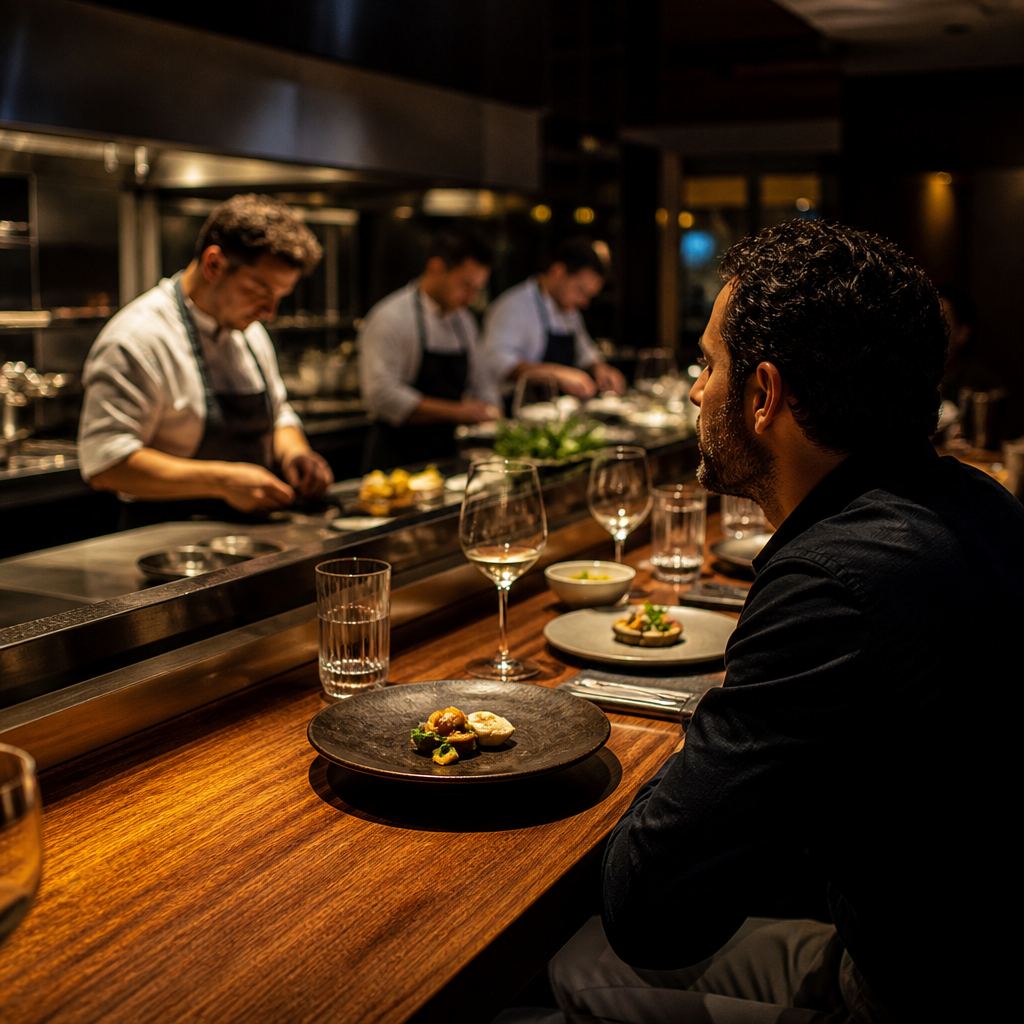
In a standard à la carte restaurant, you build your own meal: an appetizer, a main, maybe dessert. A tasting menu inverts that. The kitchen designs a sequence of small plates meant to be eaten in a set order, and the portion size of each one is calibrated to the whole arc rather than to a single plate. You are not ordering dishes; you are buying a progression.
Practically, that means three things. First, the plates arrive on the kitchen’s schedule, not yours, so the meal has a defined rhythm and typically runs longer than a conventional dinner. Second, the menu often shifts with the seasons, because chef-driven kitchens build around what is coming in that month. Third, the experience is cumulative — a dish that seems simple on its own may exist to reset your palate before something richer. Judging course three in isolation is like reviewing a song by one bar.
Who it suits — and who it doesn’t
Tasting menus reward curiosity and patience. They suit couples marking an anniversary, friends who talk about food for its own sake, and travelers who want one anchor dinner that defines a trip. They are a poor fit for a rushed pre-event meal, for a table with restless young children, or for anyone who wants to eat exactly what they already know they like. If someone at the table has firm restrictions or strong aversions, raise it when you book rather than at the table — kitchens plan these menus in advance, and what can or cannot be adjusted varies entirely by restaurant.
Booking: the part most people get wrong
Reservations for small dining rooms open on a rolling window, and the best tables for a Friday or Saturday tend to go first. A few habits help:
- Book earlier in the week if you can. A Tuesday or Wednesday table is usually easier to get and the room is often calmer.
- Choose your seating time deliberately. An earlier slot generally means a quieter start; a later slot means a livelier room and no pressure to be anywhere afterwards.
- Block out the evening. Assume a long dinner and do not schedule anything immediately after it.
- Note occasions and restrictions in the reservation itself, not in person on the night.
- If the date matters more than the restaurant, be flexible on the restaurant. If the restaurant matters more, be flexible on the date.
Research is worth an hour of your time. Local food coverage is far more useful than generic travel listicles, and a city-specific roundup such as this guide to Miami’s tasting menu restaurants will tell you more about the range of formats and styles available than any aggregated star rating. Read a few write-ups, look at the style of cooking, and pick the kitchen whose point of view actually appeals to you.
A chef-driven option in Miami Beach
Miami Beach has no shortage of restaurants built around a view or a scene, so it is worth knowing which rooms are built around the cooking instead. Stubborn Seed is a chef-driven fine dining restaurant on the Beach that serves a multi-course tasting menu, with seasonal dishes and a dining room you reserve in advance rather than drop into — the kind of place where the meal itself is the plan for the evening. If you are deciding whether that format fits the occasion you have in mind, reading through the Stubborn Seed menu before you book is the most honest way to gauge the style of cooking and the shape of the experience you would be sitting down to. It is a useful habit generally: look at the menu first, then decide, rather than booking on reputation and finding out at the table.
How to pace yourself on the day
Arriving starving is a mistake. By course four you will be eating fast and tasting less. Arriving full is worse. The sweet spot is a light, early lunch and nothing heavy in the afternoon — a plate of fruit, some bread, a handful of nuts. Drink water through the day; a long dinner in a warm climate is dehydrating.
At the table, slow down on purpose. Taste each component separately once, then together. Put your cutlery down between courses. Keep phones off the table except for a quick photo — a dish built around temperature contrast does not survive a two-minute photo session. And ask questions. Service staff at tasting-menu restaurants expect them, and a short answer about an ingredient or technique often changes how the next course reads.
Build the rest of the trip around the big meal
One of the most common planning errors is stacking ambitious meals back to back. Two long tasting menus in two nights blunts both. Treat the tasting menu as the centerpiece and let everything around it be casual and easy — a counter seat, a market lunch, a seafood snack in the late afternoon. Lower-key options like the shareable plates and raw-bar bites at Buck and Rider’s happy hour work well the night before or the night after, because they scratch the food-curiosity itch without asking two hours of your attention.
Logistics matter too. Factor in Miami traffic and parking, give yourself a buffer of fifteen to twenty minutes, and dress for an air-conditioned dining room even in August. Many kitchens close the final seating well before the neighborhood does, so if you want somewhere to walk afterwards, scout that in advance rather than wandering.
Making the reservation count
A tasting menu is a commitment of time and attention, and that is precisely what makes it memorable when it goes well. Pick a kitchen whose cooking you genuinely want to understand, book a night you do not have to rush through, eat lightly beforehand, and let the sequence do its work. Do that and the meal stops being a transaction and becomes the story you tell about the trip — which is the entire point of giving a kitchen the keys for an evening.