
How to Eat Well in Coconut Grove: A Neighborhood Dining Playbook
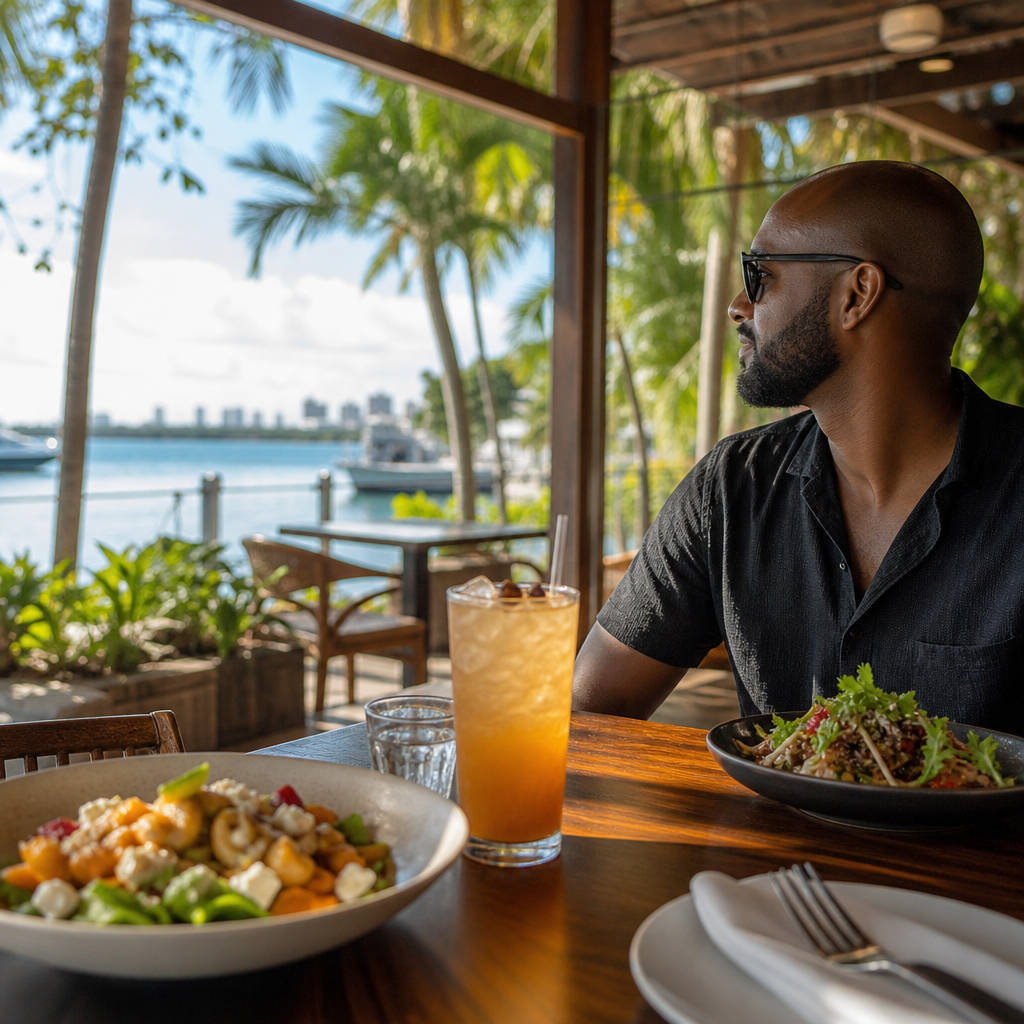
Coconut Grove is one of the few parts of Miami where you can park once and eat for an entire day on foot. The neighborhood sits south of downtown, hugs the water, and keeps most of its restaurants within a handful of shaded blocks. That compactness changes how you should plan a meal there. Instead of picking one place and committing, you can treat the Grove as a single long menu spread across several kitchens — a plate of something citrusy and cold in the early afternoon, a proper sit-down dinner under the banyans later on.
This guide is about method rather than hype: what kinds of cooking you’ll actually find, when to show up, how to read a patio before you commit to it, and how to build a route that doesn’t collapse the moment the weather turns.
Why the Grove Eats Differently From the Rest of Miami
Most Miami dining districts are built around a strip — one long avenue, valet stands, and a lot of glass. Coconut Grove is built around a village center with tree cover, narrow sidewalks, and a mix of long-standing neighborhood spots and newer kitchens. The practical consequence is that outdoor seating is genuinely usable for more of the year here, because the canopy does real work on an afternoon that would be punishing three miles north.
It also means the crowd is mixed in a way that affects menus. You get residents eating on a Tuesday, families coming off the bayfront parks, and visitors who wandered over for the architecture. Kitchens that survive here tend to cover both ends: something simple and reliable for the regulars, and a few plates with more ambition for people making an occasion of it.
The Cuisines You’ll Actually Encounter
Before you start shortlisting, it helps to know the broad categories in play. The Grove’s food scene clusters into a few recognizable styles:
- Coastal and seafood-led cooking. Whole fish, raw preparations, ceviche-style plates, and anything built on citrus. Proximity to the bay has kept this a constant.
- Latin American and Caribbean influence. Plantains, slow-cooked meats, rice dishes, sofrito-driven bases, and heavy use of tropical fruit in sauces and desserts.
- Mediterranean and Italian. Pasta rooms, wood-fired flatbreads, grilled vegetables with a lot of olive oil and lemon — formats that suit warm-weather appetites.
- Brunch-forward American. Egg dishes, griddle items, and fruit plates served late into the morning, usually with the best patio seats of the day.
- Casual counter food. Bowls, sandwiches, juices, and pastries for the stretch between meals when a full table service lunch is too much.
If you’re planning more than one stop, mix categories rather than repeating one. Two seafood meals in a day will blur together; a cold citrus-driven lunch followed by something slow-cooked and savory at dinner will not.
Timing Beats Everything Else
The single biggest variable in a Coconut Grove meal is when you walk in. Weekend brunch runs long and busy, and the best shaded tables are usually gone within the first half hour of service. Weekday lunch is calmer and a far better moment to try a kitchen you’re curious about, because the staff has time to answer questions about how something is prepared. Dinner is the main event, and on Fridays and Saturdays you should assume a wait unless you’ve booked.
The genuinely underrated window is mid-afternoon, roughly between the end of lunch and the start of dinner. Kitchens are quieter, patios have cooled a little, and many restaurants run a reduced menu designed for grazing rather than a full three-course commitment. If you plan meals around specific time slots, it’s worth comparing how different restaurant groups structure those afternoon menus — our look at the Tommy Bahama afternoon menu lineup is a useful example of how a tropical-leaning kitchen builds a shorter, shareable list for that part of the day.
A Simple Three-Stop Route
- Late morning: something light and cold — a fruit plate, a juice, a pastry — eaten standing or at a counter.
- Mid-afternoon: a shaded table and a few shareable plates. This is the stop where you linger.
- Evening: the reservation. One kitchen, full menu, no rushing.
Where to Start Your Shortlist
Rather than piecing a list together from scattered mentions, it’s more efficient to start with editorial written from inside the neighborhood. Glass and Vine is a Coconut Grove restaurant that also publishes dining guides about the area, and its roundup of the best restaurants in Coconut Grove is a sensible first read if you want the local lay of the land before you commit to a route. Guides written by people who work in a neighborhood tend to describe the practical stuff — which rooms suit a group, which kitchens lean seafood, which spots make sense for a slow lunch — rather than just listing names. Read it alongside your own instincts about what you feel like eating, then narrow to three or four options.
It’s also worth cross-checking against a citywide perspective, because outside writers notice different things. A broader editorial roundup such as Time Out’s guide to Coconut Grove restaurants is a useful second opinion, especially for spotting places that sit at the edges of the village and get overlooked by anyone sticking to the main blocks. Where two independent sources agree, you’ve usually found something dependable.
How to Read a Patio Before You Sit Down
Outdoor dining is the Grove’s signature, but not all outdoor seating is equal. Spend ten seconds assessing before you accept a table:
- Shade source. Tree canopy and solid awnings hold up. Umbrellas angled at the wrong hour do not.
- Air movement. A patio with cross-breeze is comfortable; an enclosed courtyard with no airflow traps heat well into the evening.
- Surface. Tables directly on pavement radiate more heat in the afternoon than seating raised on a deck or set back in greenery.
- Exit plan. Ask whether indoor seating is available if a rain shower arrives. In summer, afternoon storms are brief but decisive.
Eating With a Group, a Family, or Dietary Limits
Coconut Grove handles groups better than its narrow sidewalks suggest, but call ahead for anything over six. The neighborhood’s shareable formats — grilled fish for the table, flatbreads, mixed vegetable plates, rice dishes — make it easy to feed a mixed group without everyone ordering individually, which also speeds up service noticeably.
If someone at the table has restrictions, the citrus-and-grill end of the menu is usually the safest territory: simply prepared fish or vegetables with minimal sauce. Ask specifically about marinades and stocks rather than asking whether a dish is “safe,” since the detail that matters is almost always in the base. Families should aim for the earlier dinner window; rooms are quieter, kitchens are fresh, and nobody is competing for a stroller-friendly corner.
Leave Room for the Walk
The best meals in the Grove tend to be the ones with a walk built in on either side — through the village, down toward the water, past the old houses. Order slightly less than you think you want at each stop, keep one reservation as the anchor of the day, and let the rest stay flexible. A neighborhood this walkable rewards curiosity more than a fixed itinerary, and the plate you remember is often the one you hadn’t planned on ordering.
